
Making Tax Digital (MTD) is one of the biggest changes to the UK tax system in decades. Designed by HMRC, MTD aims to modernise how individuals and businesses record, manage, and submit their tax information. It shifts away from traditional annual tax returns toward a more digital, real-time process.
Why MTD Exists
HMRC introduced MTD to reduce errors and close the “tax gap” — the difference between tax owed and tax actually collected. Many mistakes happen because of manual processes, lost paperwork, or incorrect calculations. By requiring digital records and software submissions, MTD helps improve accuracy and efficiency.
For business owners, this change is not just about compliance — it represents a transition to smarter financial management.
Who Does MTD Affect?
Currently, MTD is already in place for VAT-registered businesses. The next major phase is MTD for Income Tax Self Assessment (ITSA), which will affect:
- Self-employed individuals
- Landlords
- Partnerships (in future phases)
If your income exceeds the threshold set by HMRC, you will be required to follow MTD rules.
How MTD Works
Under MTD, you will:
- Keep digital records of your income and expenses
- Use HMRC-approved software
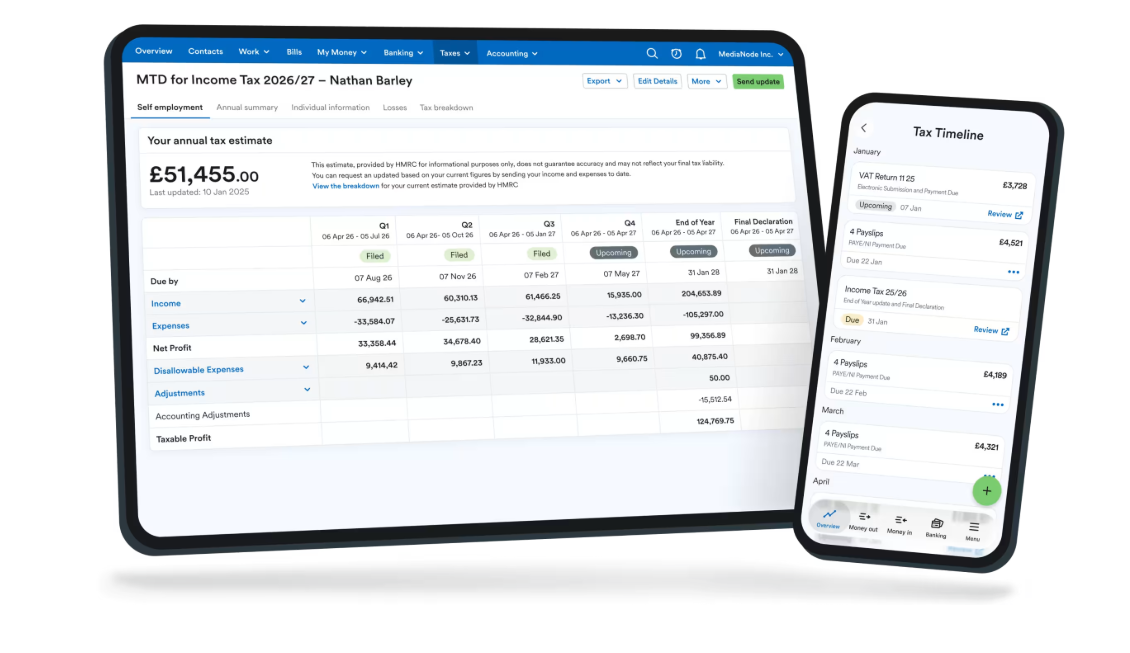
- Submit updates to HMRC every quarter
- Complete a final end-of-year declaration
This replaces the traditional once-a-year Self Assessment return with a more frequent reporting cycle.
The Move to Quarterly Reporting
One of the most significant changes is the introduction of quarterly submissions. Instead of leaving everything until the end of the tax year, you will report your income and expenses every three months.
This has several benefits:
- You have a clearer picture of your finances throughout the year
- You can estimate your tax bill more accurately
- You reduce the stress of last-minute filing
However, it also requires more organisation and consistency.
The Role of Software
MTD requires the use of compatible software such as:
- FreeAgent (BKeepers preferred choice)
- QuickBooks
- Sage
These tools allow you to:
- Connect your bank accounts
- Automatically track income and expenses
- Submit data directly to HMRC
The key requirement is digital linking — meaning your data must flow seamlessly between systems without manual copying.
How MTD Benefits You
While it may feel like extra work initially, MTD offers several advantages:
- Better financial visibility: Know your numbers in real time
- Reduced errors: Automation lowers the risk of mistakes
- Improved cash flow planning: Stay ahead of tax liabilities
- Simpler compliance: No more last-minute panic
Common Concerns
Many people worry that MTD will:
- Increase admin
- Require technical skills
- Be expensive
In reality, with the right support and setup, MTD can actually save time and improve how you run your business.
Final Thoughts
MTD is not just a tax change — it’s a shift toward smarter, more modern financial management. Businesses that embrace it early will benefit the most, gaining better control over their finances while staying ahead of compliance requirements.
 BKeepers Bookkeeping
Leave a comment